Overview
RedefinED Atlanta awards the Clayton Communities in Action Grant to four entities each year. The grant is open to Title I public schools, Clayton County Public Schools district departments, 501(c)(3) organizations that serve Clayton County, or entities with a 501(c)(3) fiscal sponsor. It is a one-year grant that aims to improve student academic outcomes through strengthening family and community engagement because we believe family and community engagement is one factor that will help advance our mission of every child in every community receiving a great K-12 public education.
Specifically, the grant funds innovative initiatives that increase math and literacy access that are more intensive, different than the norm, evidence-based, and tailored to the unique needs of the community, or initiatives that empower caregivers to hold leaders accountable and be more involved in their child’s education. Proposals must be equitable, scalable, achievable, systemic, sustainable, and have a measurable impact.
As one of our grantees, Riverdale Elementary School had three goals they were working toward:
- Increase the percentage of Department of Exceptional Students (DES) – including students in the gifted program, students with disabilities, and students learning the English language – scoring proficient on GMAS by 8 percentage points by the end of the academic year;
- Increase DES students’ proficiency in STEAM concepts, leading to improved problem-solving and critical thinking skills, thereby supporting their overall academic achievement; and
- Increase family participation in Full Steam Ahead family engagement events and workshops by 15% compared to the previous year, fostering a supportive learning environment for DES students.
As one part of our four-part series on the 2024-25 grantees, we spoke with Monica Ward, Assistant Principal, and Shavara London, a fifth-grade teacher, to learn more about how the Clayton Communities in Action Grant supported Riverdale Elementary School with reaching these goals.
Can you tell me a little bit about your program?
We are a Title I, pre-K through 5 public school located in Riverdale, Georgia. Our school serves one of the highest populations of students with disabilities in the Clayton County Public School District. As such, we designed our 10-month programming to cater to the unique needs of students and families with disabilities.
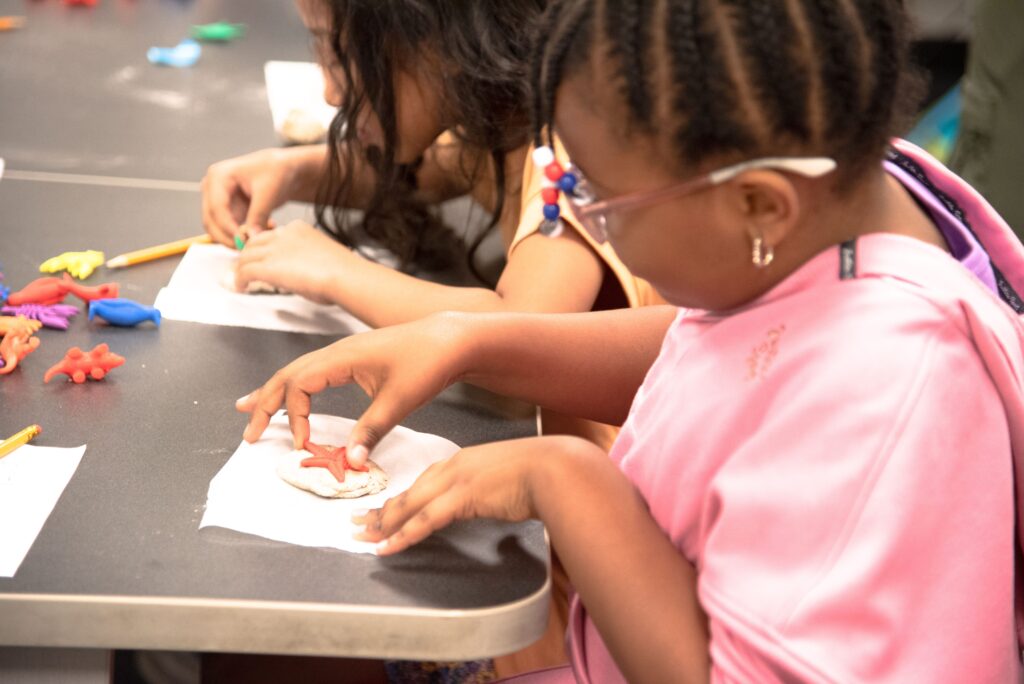
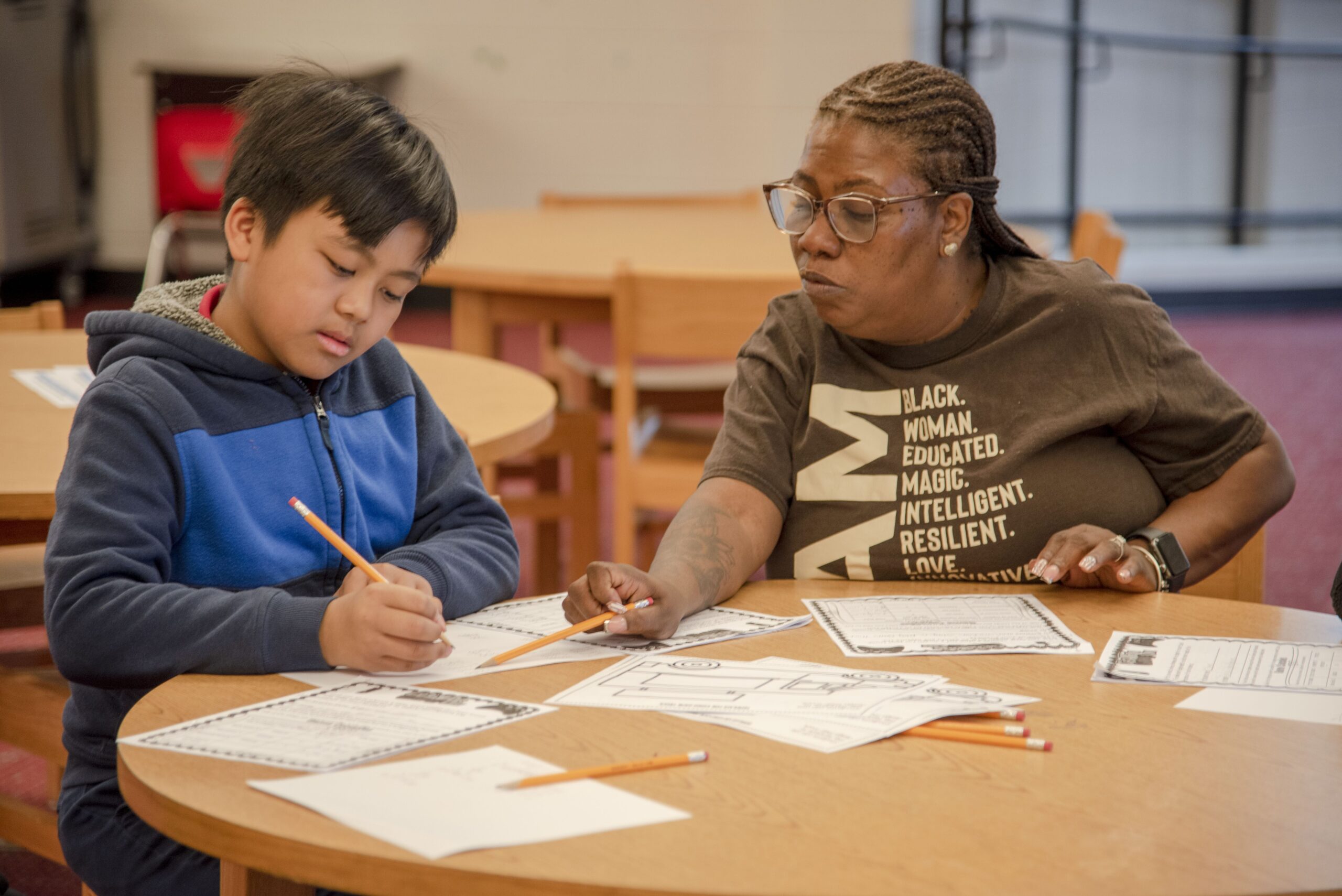
Specifically, we’ve worked to give students hands-on experiences that will enhance their understanding of STEAM concepts, including problem-solving and critical thinking. We have also worked to increase parent involvement, to build a stronger connection between families and the school for a more supportive learning environment.
We’ve accomplished this through our Math and Science Innovation Camp, STEAM workshops, parent dinners, teacher professional development, and community partnerships with organizations like The High Museum and Zoo Atlanta.
How was the Clayton County Communities in Action Grant valuable to your programming?
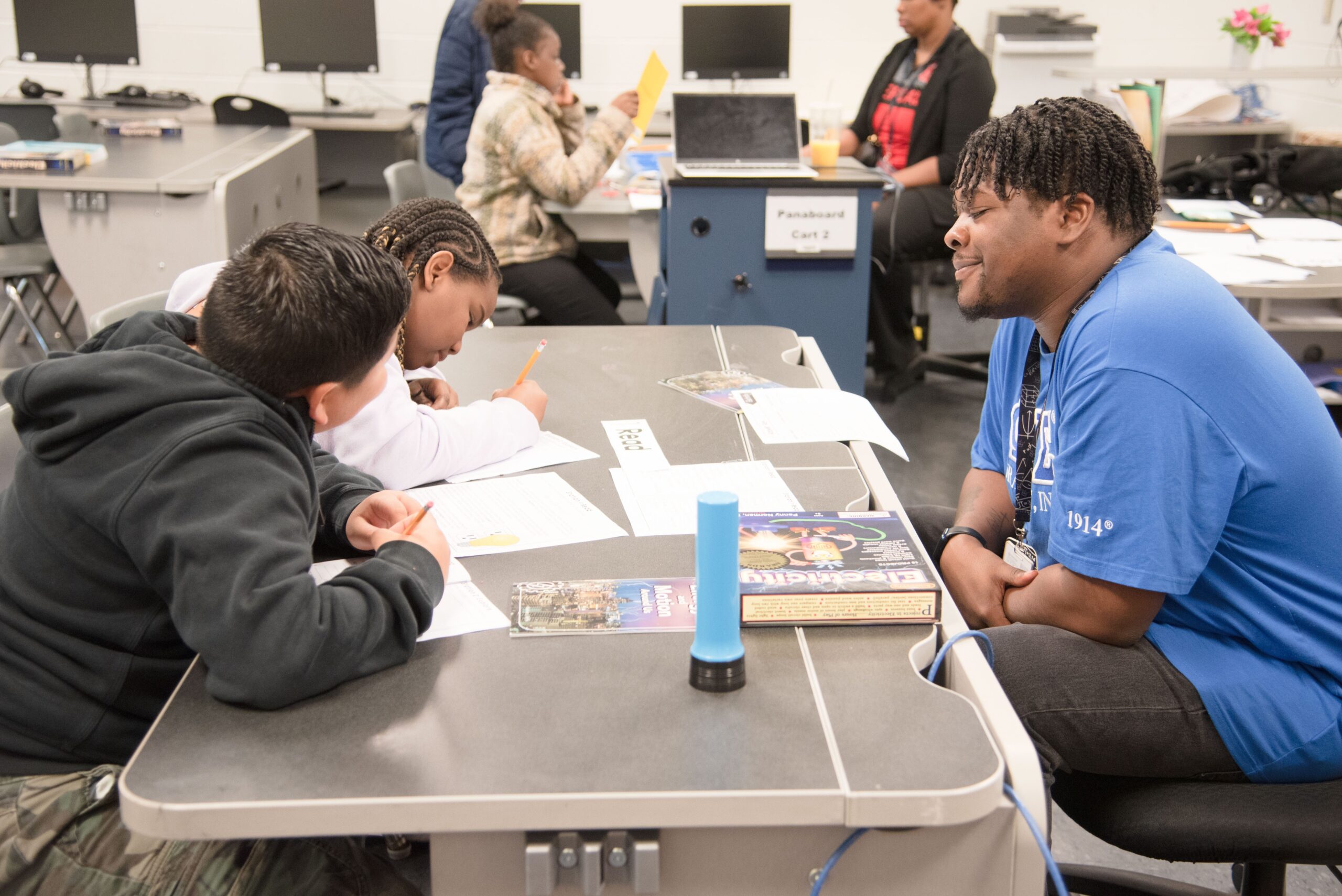
The grant gave us a lot of freedom to think outside the box. While we had funding from other sources, these flexible funds allowed us to adjust our programming and strategy based on teacher and student needs.
We were working on skills aligned with the Georgia Standards of Excellence, but we weren’t teaching to a test – kids were just having fun. Without the grant, we still would have offered some form of remediation for students, but it was much more impactful to structure it this way.
We were also able to hire a consultant who could help give teachers immediate, implementable feedback and training on how to align projects with the Standards (rather than waiting for test results at the end of the year).
What impact have you seen in your community from this programming?
In our Innovation Camp, we had two major projects for students. The first was Geo-City, where students used various math, art, and engineering skills to plot, build, and present their very own city. The second was focused on designing and ‘launching’ their very own game truck business. This project helped students practice multiplication, division, circuitry, and more.
The biggest impact from these projects was the exposure to new options for their futures. Even though many students had never seen someone starting their own business, game trucks, city planning, or engineering, they left thinking, ‘This is something I can actually do as a career.’ It also exposed them to career paths and life outside of traditional four-year colleges as well. Students went around telling their friends how much fun they were having and encouraged them to participate, too.
And when they took their state tests, most of our students moved up at least one level, including every DES student who participated. All students who participated in our programming were testing at a proficient level by the end of the year, which is a huge accomplishment considering most of them started one or more levels behind.
We’ve also had success in intentionally engaging parents in our work. We’ve seen increased attendance at workshops and events, including our parent dinner. We have also been listening to their needs and adapting our programs, which allows more students to participate. For example, we originally held the Innovation Camp on the weekend, but we heard from parents that this made it challenging to attend; so, we switched to an afterschool program instead, which increased attendance.
By working with parents, we can create a supportive learning environment in school, at home, and in the community, turning every moment into a learning opportunity. We believe that this is what will help our children succeed.